Privacy-preserving Distributed Algorithm

Keep the Data.
Share the Insight.

Run collaborative analyses across institutions without moving patient-level data.

Distributed Collaboration, Without Compromise

We believe important questions should not go unanswered just because data live in different places. PDA helps institutions learn from each other without handing over sensitive data.

We build privacy-preserving tools for multi-site research so teams can work together across hospitals, health systems, and research networks — while keeping data under local control.

Our goal is simple: make collaboration easier, faster, and more trustworthy.

38+

Statistical Methods

37+

Partner Sites

100+

Publications

CRAN

R Package Available

Safe. Accurate. Fast. Free.

Making collaborative analytics easier to access, easier to use, and easier to scale.

Safe

Formally privacy-preserving. Only summary statistics leave each site. No patient records are ever shared.

Accurate

Federated estimates provably converge to the gold standard of pooled analysis under mild conditions.

Fast

Converges in as few as one or two communication rounds. Minimal overhead for participating sites.

Free

Open-source on CRAN and GitHub. Freely available to the global research community.

PDA in the Real World

Two scientists in protective workwear talking to each other during their work in the laboratory

GLP-1RA Cardiac Outcomes

Use Case 01 · Drug Safety

Multi-site federated analysis of cardiovascular effects of GLP-1 receptor agonists vs. DPP-4 inhibitors across PCORnet.
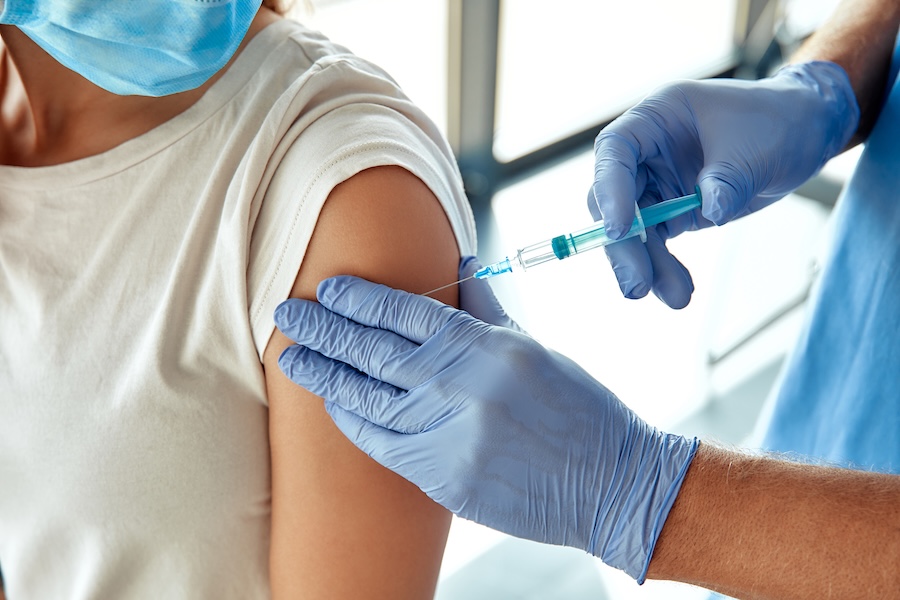
In a modern clinic, a healthcare worker administers a vaccine to a masked patient, creating a safe and clean environment that enhances the experience for both the patient and caregiver

COVID-19 Vaccine Safety

Use Case 02 · Epidemiology

SCCS analysis of myocarditis/pericarditis risk following mRNA vaccination using distributed EHR data.
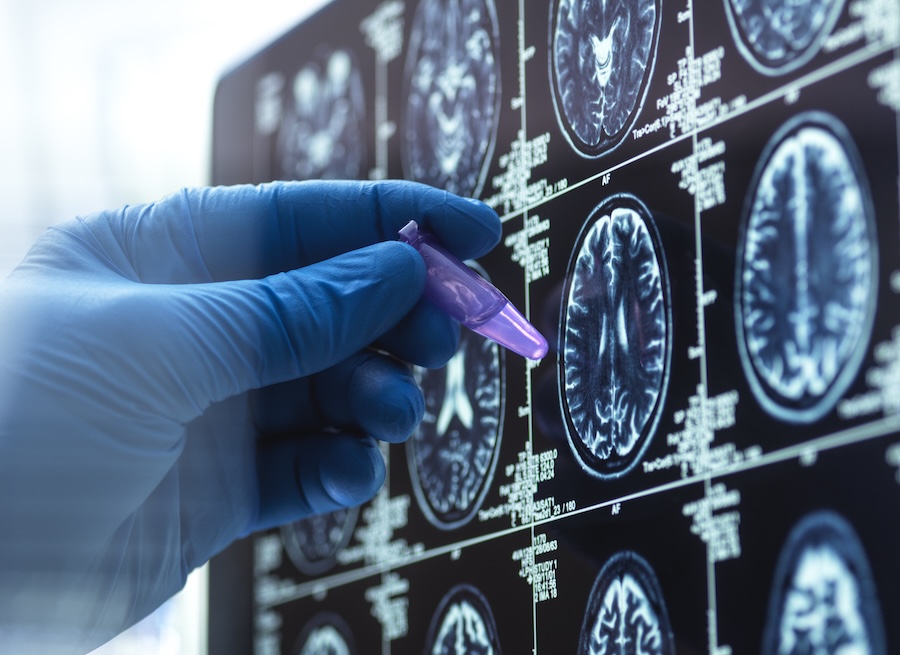
Dementia and Alzhiemer's Research, Scientist preparing human sample during a clinical trial

ADRD Drug Repurposing

Use Case 03 · Neurology

Identifying candidate treatments for Alzheimer’s and related dementias through federated pharmacoepidemiology.
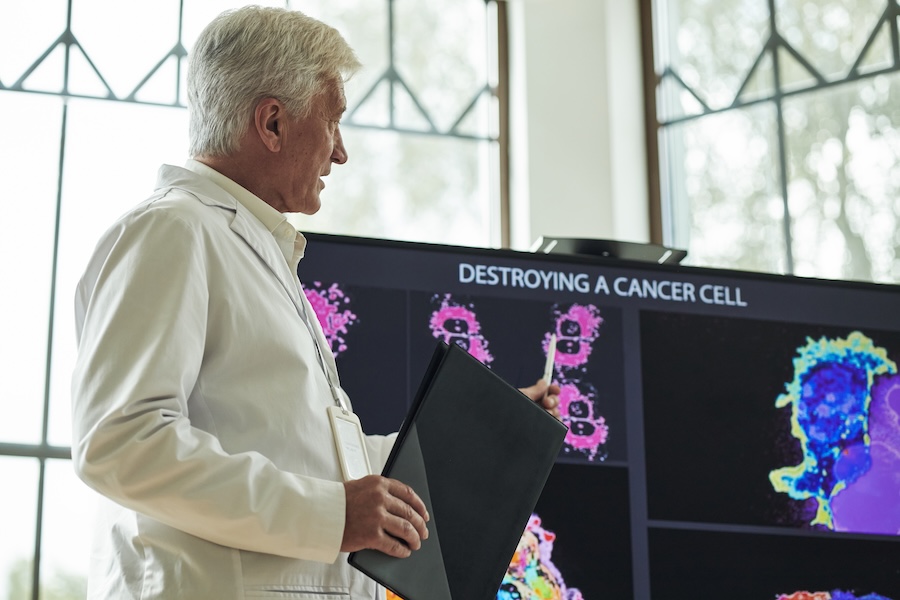
Senior Caucasian man presenting scientific research, holding folder and gesturing toward screen displaying microscopic images and text about destroying cancer cell in laboratory setting

Cancer Treatment Effectiveness

Use Case 04 · Oncology

Comparative effectiveness of cancer therapies using real-world EHR data across multiple academic medical centers.
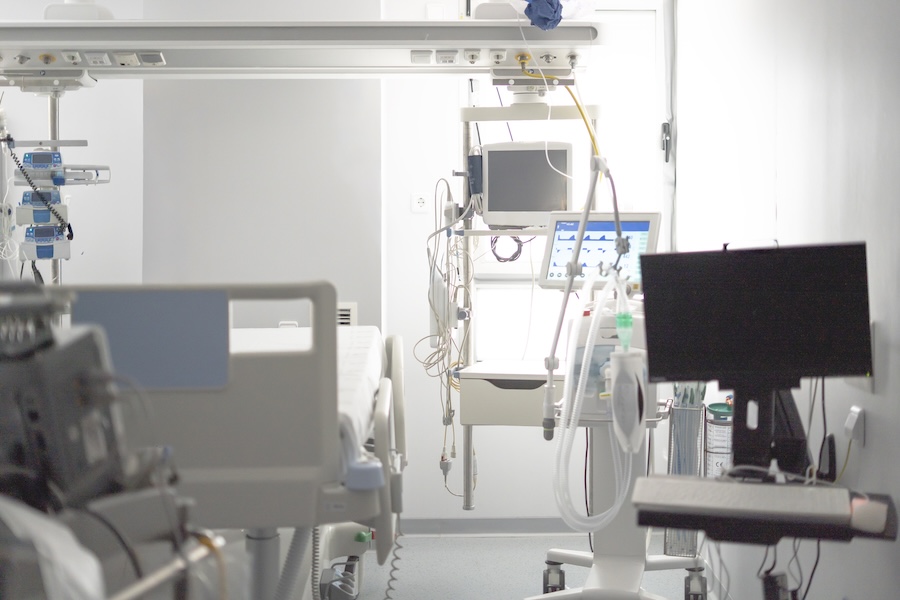
Advanced medical technology stands ready in a pristine, unoccupied hospital room, anticipating the arrival of a patient in need of care

ICU Lab Test Frequency

Use Case 05 · Critical Care

COMPASS project: Characterizing lab test ordering patterns in ICU settings using distributed Penn Medicine EHR data.
Stethoscope on laptop keyboard in doctor surgery with blood pressure monitor

Telemedicine Utilization

Use Case 06 · Health Economics

Causal analysis of how telehealth affects downstream care patterns and healthcare utilization across chronic disease domains.

Trusted by Leading Institutions